Every April, Salone del Mobile transforms Milan into a global observatory of design culture. While the spotlight often falls on luxury furniture and collectible pieces, one of the most exciting—and telling—areas is children’s design. It’s here that experimentation, emotion, and future lifestyles converge. For 2026, kids’ spaces are no longer an afterthought or a scaled-down version of adult interiors. Instead, they are becoming laboratories for innovation, storytelling, and social values. Based on emerging directions across recent editions and industry signals, here are the key kids’ design trends to watch.
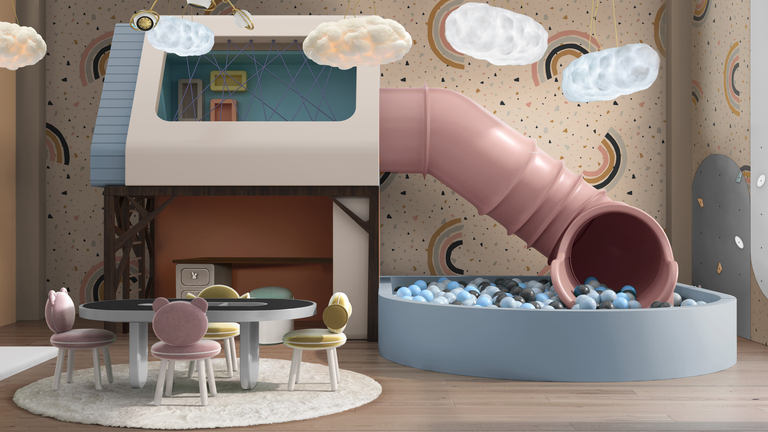
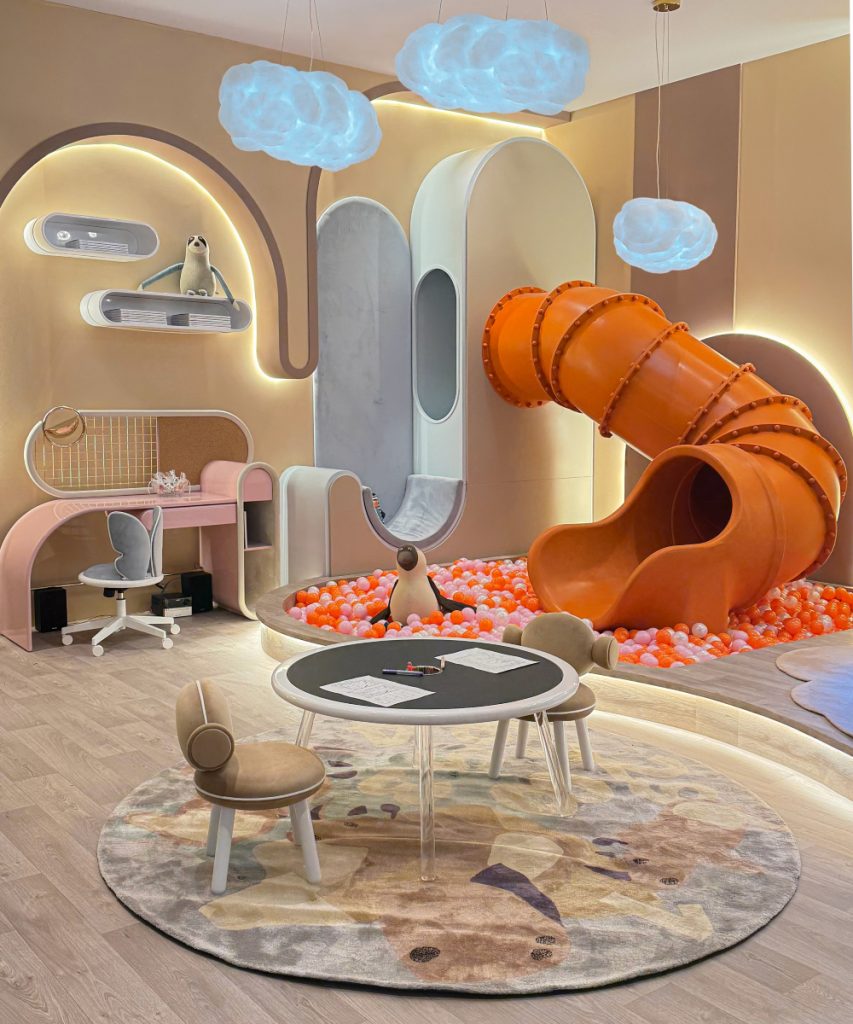
Children’s design is increasingly immersive. Furniture is no longer just functional—it becomes part of a narrative environment. Expect to see beds that resemble fantastical worlds, storage that doubles as play structures, and rooms conceived as “mini universes.” This evolution builds on the rise of pop-inspired design, where bold colors, rounded shapes, and character-driven objects dominate. Rather than separating play from living, designers are merging the two—transforming everyday objects, like our Mogli Slide Playground, into tools for imagination.
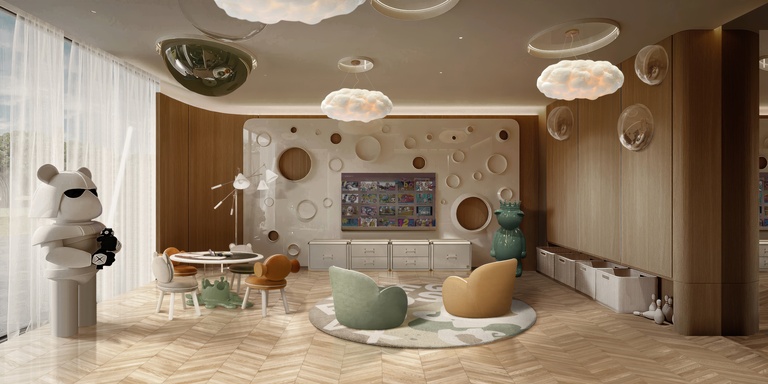
This sense of imagination is becoming more refined. What might once have been dismissed as purely decorative or whimsical is now underpinned by intention. Curves, soft edges, playful motifs like our Cloud Lamp, and unexpected details are carefully designed to encourage interaction and curiosity. The result is an environment that feels joyful without being chaotic—spaces that invite children to explore while still maintaining a strong design logic.
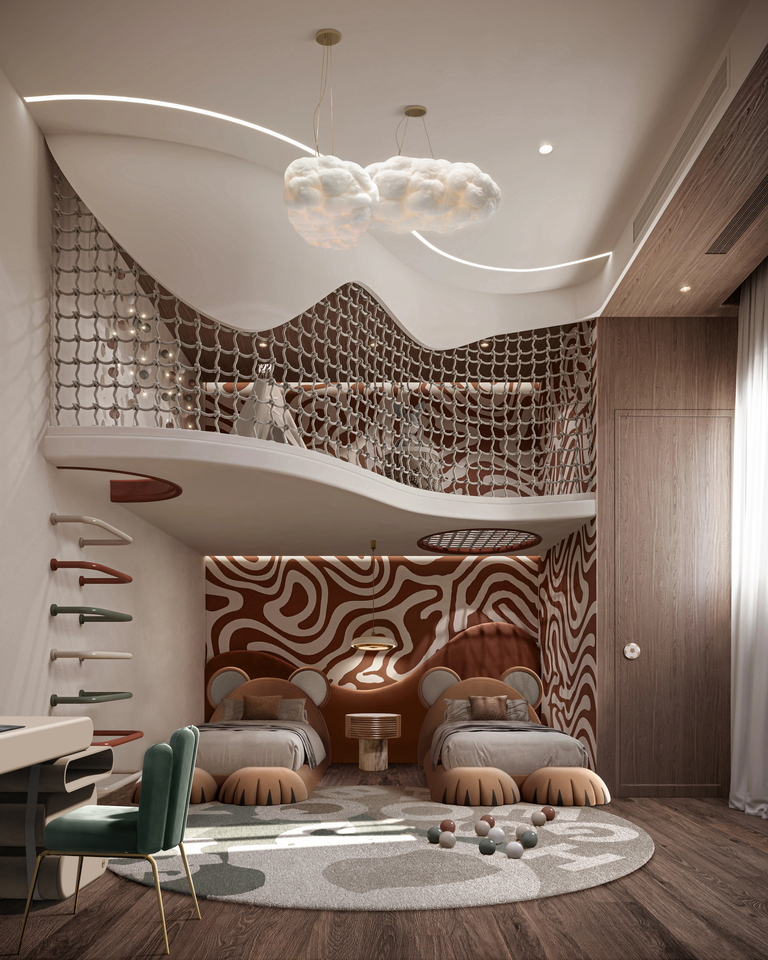
Nature plays a central role in this shift. There is a growing emphasis on bringing organic textures, earthy tones, and sensory elements into children’s environments, creating spaces that feel both calming and stimulating (see our Baloo Bed). These interiors are designed not only to look natural, but to support well-being—encouraging focus, creativity, and emotional balance through subtle connections to the natural world.
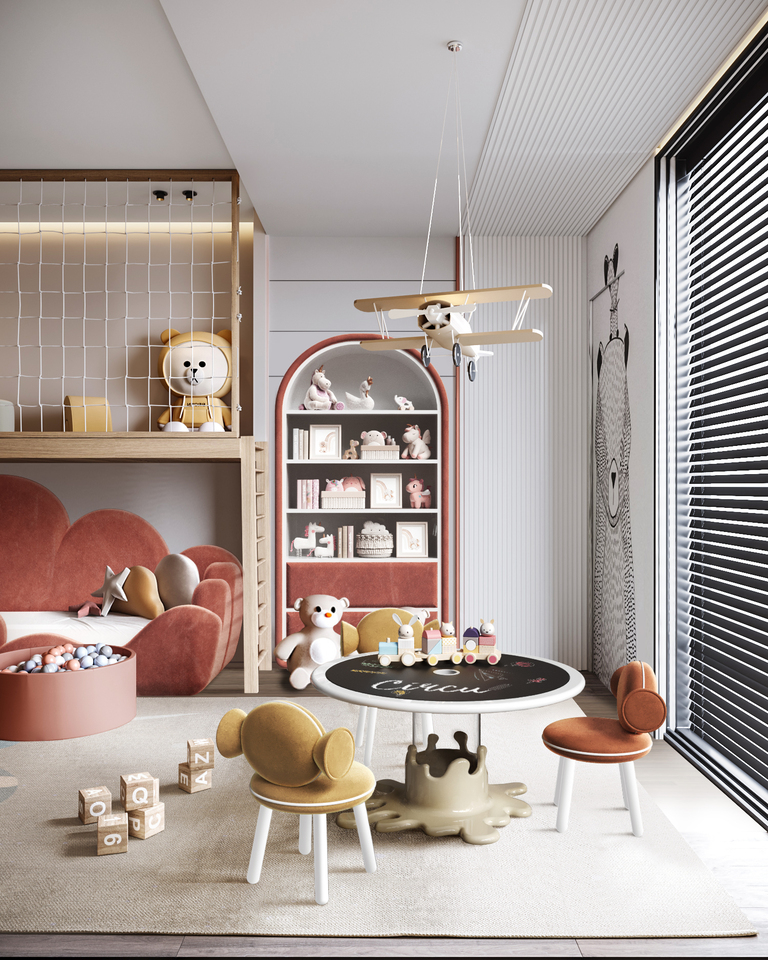
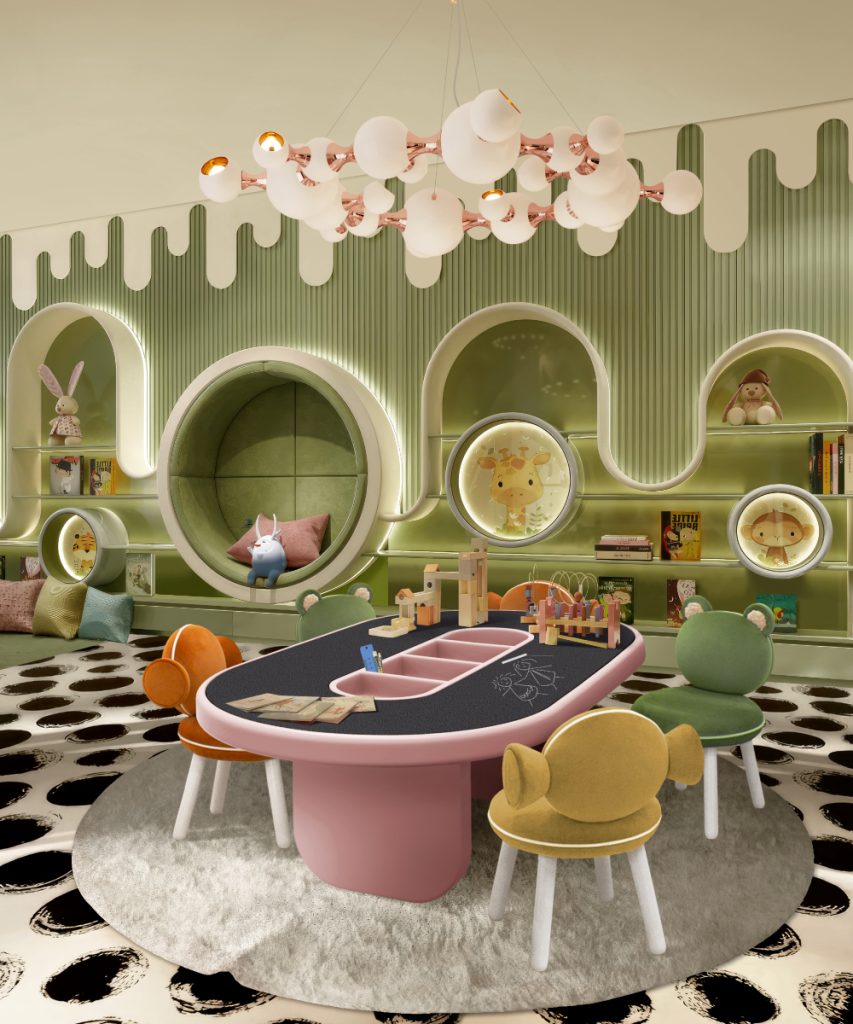
Perhaps the most meaningful evolution is the move toward personalization. Children’s spaces are no longer designed as generic templates but as environments that reflect identity, interests, and individuality. Rooms are increasingly co-created, allowing children to shape their surroundings in ways that feel personal and empowering. This shift transforms design into something participatory, where the user—even the youngest one—has a voice. The Marshmallow Activity Table is a must.
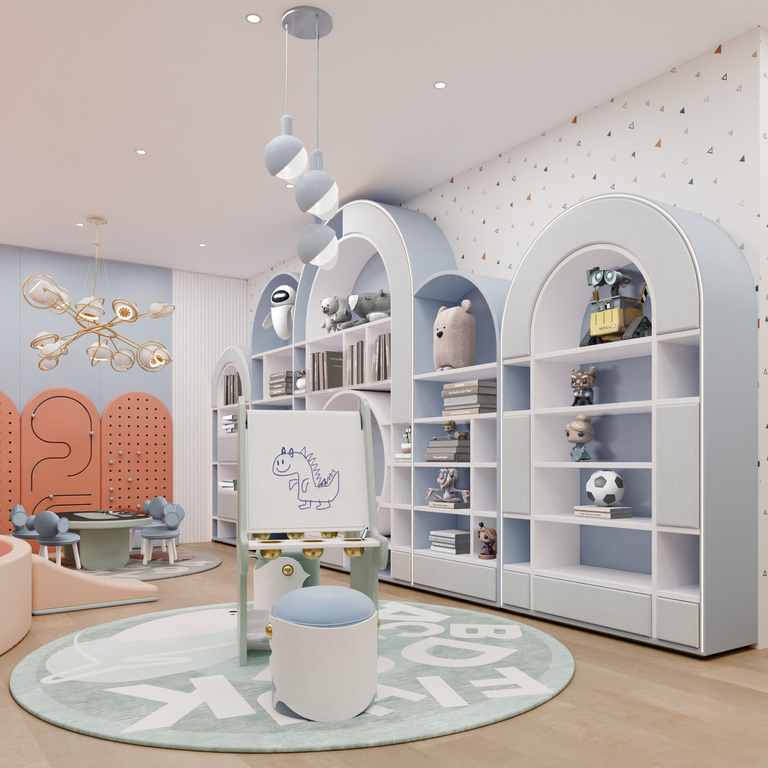
At the same time, practicality is taking on new importance. As homes continue to shrink or adapt to hybrid lifestyles, children’s rooms are becoming more flexible than ever. Furniture is expected to grow with the child, transform across different uses, and adapt to changing needs throughout the day. A single piece like the Bubble Gum Reading Nook might shift from a play structure into storage, reflecting a broader move toward modular living that prioritizes longevity over disposability.